
How Gaming Furniture Builds Community
Pull up a chair, ideally one designed for gaming rather than just dinner, and it becomes clear how much the design of our spaces shapes the stories we share and the communities we build around the table.
At Bandpass Design, this idea sits at the heart of what gaming furniture can become: not just a surface for play, but a setting where friendships grow, strategies unfold, and memorable evenings take shape.
Today’s gaming furniture is more than a stylish accessory. It’s an essential part of the world of tabletop gaming, social play, and connection. From cozy family rooms to clubs and digital hybrids, the right table or seating does more than support elbows and dice. It supports genuine interaction, creativity, and shared success.
In this guide, you’ll discover how gaming furniture builds community. We’ll explore how it influences the way people gather, collaborate, and create lasting memories, at home, among friends, and within vibrant gaming groups. If you’re searching for that deeper sense of connection through play, the answer may be sitting right in front of you.
Why Physical Gaming Spaces Create Stronger Communities
Physical space isn’t just a backdrop for play, it’s a catalyst for connection.
How a room is arranged, the furniture chosen, and details like lighting shape how people interact. Gaming furniture acts as a social infrastructure element (deliberately designed to support conversation, laughter, and strategic thinking).
This influence extends well beyond individual entertainment. Within the broader ecosystem of tabletop gaming and family recreation, game tables, chairs, and accessories help create an environment where players can easily share experiences through:
-
Collaboration
-
Communication
-
Shared experiences
Let’s break down the real-world contexts where gaming furniture amplifies community:
-
Homes and Family Spaces: An inviting game room or cleverly placed table transforms after-dinner hours into connection: family game night becomes a tradition, not an afterthought.
-
Friend Groups and Hobby Circles: For board game enthusiasts and hobbyists, dedicated spaces foster regular gatherings, healthy competition, and the exchange of strategies.
-
Clubs, Schools, and Gaming Groups: Schools and campuses with flexible gaming equipment witness students forming bonds, exchanging skills, and supporting each other both in play and academics.
-
Hybrid Digital and Tabletop Communities: In today’s world, technology merges with tradition. Custom tables now accommodate screens and devices, allowing players to bridge physical distance and build community across digital spaces.
In short, purposeful gaming furniture equips people to engage, collaborate, and celebrate together. It transforms “just play” into relationships that endure.
Why Shared Gaming Spaces Matter
The spaces we gather in affect how we interact, and whether a night spent at the table turns into a lasting friendship.
Communication, Collaboration, and Engagement
Gaming stands apart from passive entertainment.
Players must actively engage with one another, which nurtures:
-
Problem solving
-
Teamwork
-
Face-to-face communication
While TV or streaming can fill a quiet evening, shared gaming spaces foster an immersive experience: laughter over dice rolls, strategic sidebar discussions, and the thrill of successful collaboration.
Social Dynamics at Play
When people gather around a table, several dynamics come into focus:
-
Everyone can see, hear, and respond to each other’s decisions.
-
Group strategies emerge, and players navigate competing goals or shared objectives.
-
Sitting together in person develops deeper trust, understanding, and a genuine sense of community.
Compare that to solo play, where interaction is with a device, not a friend, and the tangible effects on relationships become obvious.
A strong gaming environment, fueled by well-chosen gaming furniture, becomes the launchpad for enduring connections and new traditions.
The Role of Furniture in Social Play
The difference between an ordinary night and a memorable event is often found in the furniture beneath the game.
Well-designed furniture can either enable or limit social interaction. A cramped table with wobbly chairs forces players to focus more on discomfort than on their strategies.
Great gaming setups, on the other hand:
-
Arrange seating to maximize communication
-
Provide enough space for everyone’s cards, boards, and snacks
-
Prioritize comfort for long hours of play
Improving Interaction with Purpose-Built Furniture
Purpose-built gaming tables offer:
-
Clear play surfaces for cards, boards, and tokens
-
Generous table size for multiple players to sit comfortably
-
Smart storage, keeping clutter off the main surface
-
Accessibility for everyone, so no one feels left out
While improvised setups, like a kitchen table cleared at the last minute, get the job done, there’s a growing appreciation for dedicated gaming tables that enhance social play. These tables are more than just furniture. They are committed to regular, meaningful gatherings.
When gaming furniture is thoughtfully chosen, it removes friction. Players can focus on the thrill of strategy, the joy of winning (or losing graciously), and the fun of spending time together.
Designing Spaces That Encourage Gathering
How you design a room says something profound: “This is a place for people to gather, engage, and belong.”
Environmental Elements That Support Play
Key features that support social gaming include:
-
Comfortable, supportive seating (so players can focus for hours)
-
Enough table space for ambitious games or cozy sessions
-
Convenient storage for games, accessories, and snacks
-
Proper lighting to keep everyone alert and engaged
-
An inviting layout to support both organized and spontaneous play
Hosting Is Easier with Purposeful Furniture
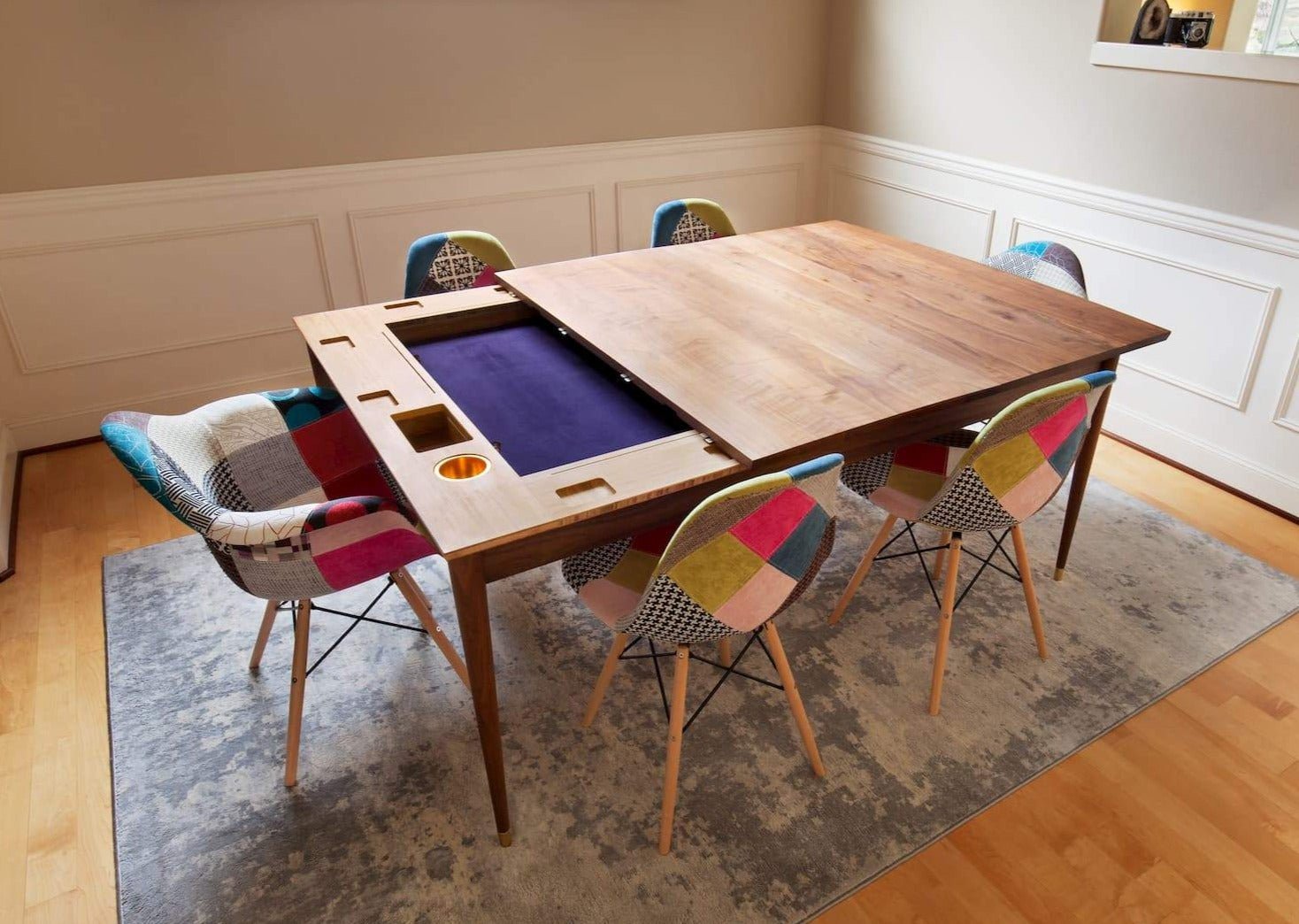
Dedicated or adaptable gaming furniture (like a table that covertly hides a play surface beneath dining leaves) makes hosting regular game nights much easier. Families and friends can easily transform any evening into an opportunity for connection.
Furniture that blends with other areas of the home or club room helps create an atmosphere where social play doesn’t need a special occasion to happen. It becomes a natural part of daily life.
Flexible Furniture for Multi-Use Spaces
In many homes, space is limited. Dedicated game rooms are a luxury, not the norm.
That’s where multipurpose furniture for small spaces comes into play. It’s the difference between “gaming night? maybe later” and “let’s play now”.
Multi-Use Transformations
-
Dining tables that instantly become gaming surfaces
-
Modular pieces that offer both day-to-day utility and immersive gaming experiences
Example:
Imagine a convertible dining table (by day, you eat with family. By night, the surface reveals a recessed area for cards, player mats, and dice).
This kind of flexible furniture makes it easy to organize, store, and transition between daily life and collaborative play.
Tabletop Games as Social Infrastructure
Tabletop games don’t just pass the time. They build community, spark conversation, and give everyone (even strangers) a reason to engage.
Whether you’re enjoying the best three-player board games or staging a large group event, the underlying mechanics of tabletop gaming foster connection.
Social Mechanics Embedded in Play
-
Turn-taking: Forces communication, eye contact, and active listening
-
Cooperative games: Create a sense of teamwork and strategies that demand collaboration
-
Competitive games: Generate shared excitement, anticipation, and good-natured rivalry
Communities thrive on these interactive experiences. Each session is an opportunity to practice communication, explore new problem-solving strategies, and support one another.
Types of Experiences That Build Community
-
Board games, classics, and new favorites
-
Card games are fast, casual, and engaging
-
Tabletop RPGs, evolving stories built together
-
Strategy games and puzzles, testing patience, focus, and creativity
Regular game nights establish traditions and recurring events. These, in turn, build a sense of belonging that extends far beyond a single session.
Comfort and Engagement During Long Play Sessions
A truly immersive experience isn’t possible if discomfort gets in the way.
Comfort has a direct impact on how long and how well people play together.
Challenges of Long Gaming Sessions
-
Uncomfortable seating that distracts from the game
-
A lack of surface area for all of the components or snacks
-
Constant interruptions from spills, clutter, or missing pieces
Features of Exceptional Gaming Tables
Today’s innovative board gaming table features address these challenges by offering:
-
Spacious play surfaces that accommodate every player
-
Cup holders and built-in storage for drinks and components
-
Comfortable, ergonomic seating so focus stays on fun, not fatigue
Example:
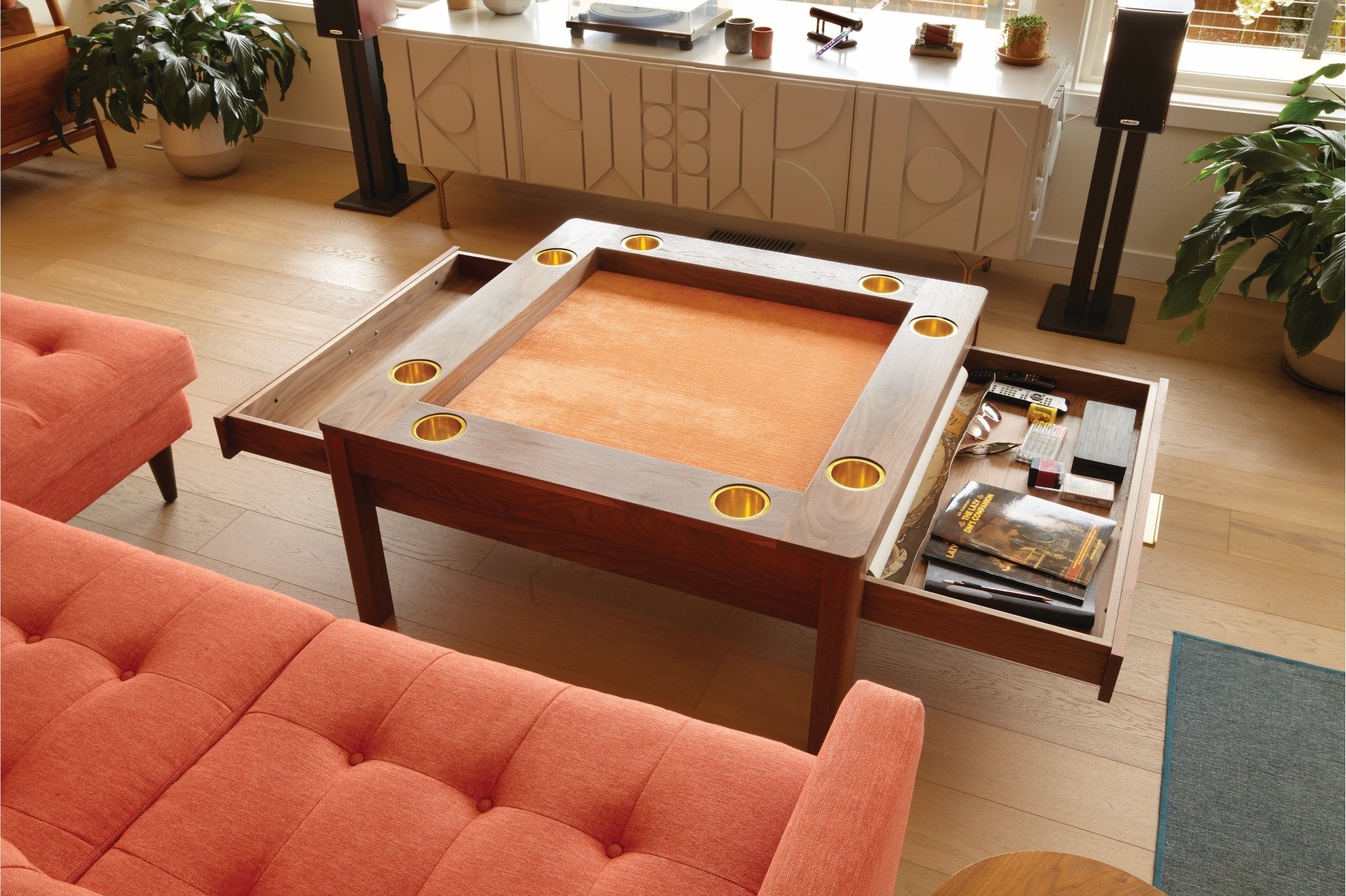
Imagine a table with built-in drawers for cards and pieces, a recessed play area for easy reach, and drink holders that keep accidents away from precious games.
By paying close attention to the needs of gamers, furniture makers enable longer, more engaging sessions (and happier communities).
Gaming Furniture and Family Connection
A well-planned family game room isn’t just about the equipment. It’s about building lasting connections.
The Power of Shared Play
Gathering around a gaming table does more than entertain (it develops):
-
Communication skills through friendly debate and negotiation
-
Problem-solving abilities as family members team up or face off
-
Intergenerational bonding, enhanced in thoughtfully planned family game rooms
The Table as Gathering Point
Gaming tables become the hub, the place where stories are shared and memories built. Unlike casual TV watching, structured gaming nights form the traditions that families look forward to each week.
Examples:
-
Regular Sunday nights spent exploring new board games
-
Special gatherings during holidays centered around tabletop play
-
Parents introducing kids to classics or strategy games, building skills they’ll carry for life
With each session, the table itself becomes a symbol of connection and celebration.
Supporting Hobby Communities and Clubs
It’s not just families that benefit from the right gaming furniture. Clubs, schools, and online groups all lean on thoughtful design to foster engagement and inclusion.
Where Furniture Shapes the Gaming Experience
-
Wood game tables designed for social gatherings appear in board game cafés, hobby clubs, college game rooms, and even community centers
-
Comfortable, communal spaces encourage students, competitive gaming teams, and casual players alike to meet regularly and stay engaged
Community Benefits
-
Social inclusion: New members feel welcome when space is thoughtfully prepared for them
-
Skill development: Regular meetups lead to improved play and teamwork
-
Shared interests: Decor and design signal, “this is a place for everyone who loves games.”
The result? Players stay longer, return more often, and help new members feel at home.
How Furniture Design Shapes the Gaming Experience
Every decision in furniture design (from materials to mechanics) influences how gamers interact. The nuances matter.
Play Surface Design
-
Recessed surfaces prevent lost pieces and keep everything organized, a hallmark of well-made gaming tables
-
Oversized play areas welcome complex games and multi-player action
-
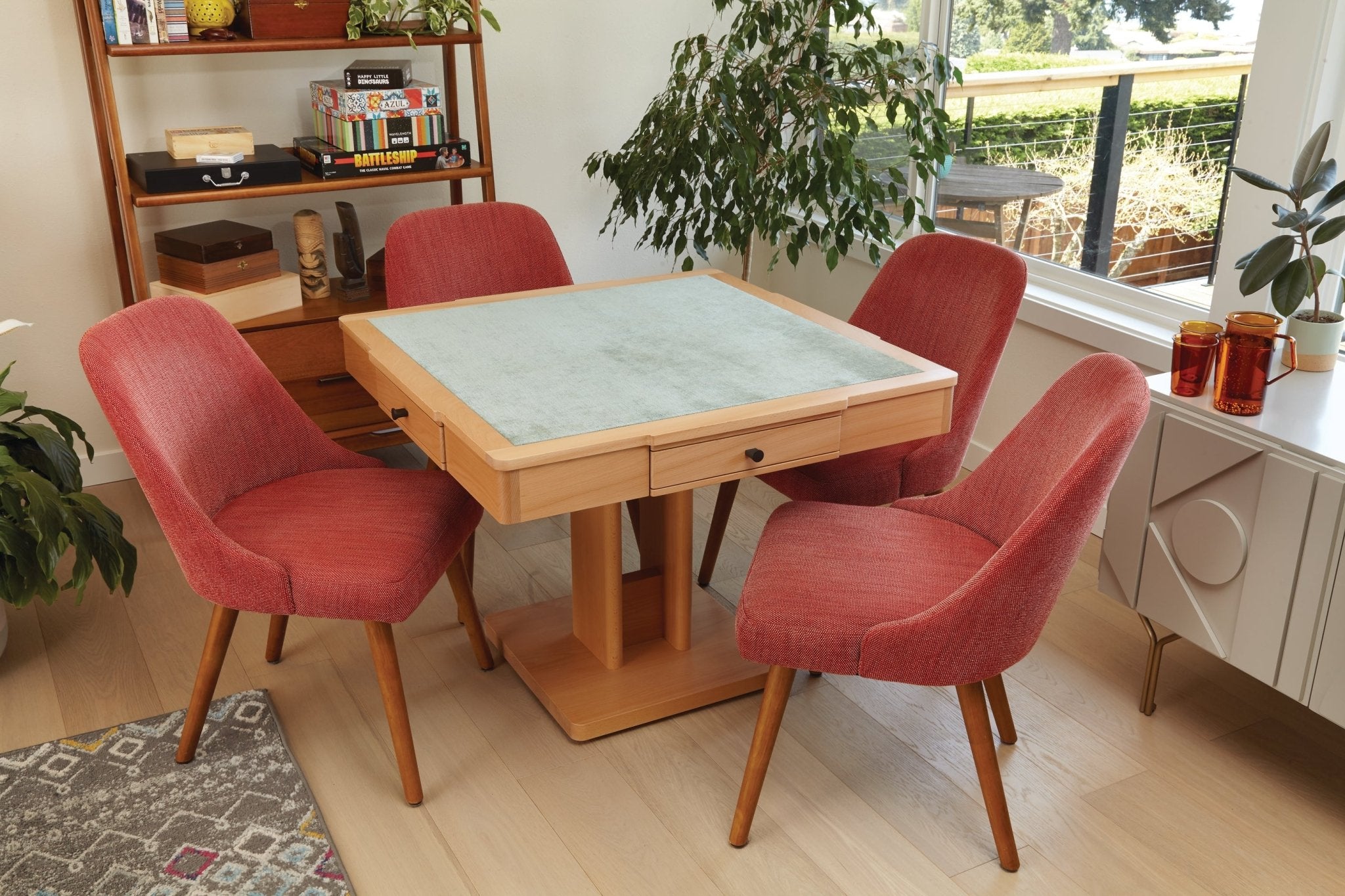
Fabric or smooth bamboo surfaces (like those in intimate card and mahjong tables) make card play easier and more enjoyable
Storage and Organization
-
Built-in drawers and shelves (such as gaming coffee tables with integrated storage) keep essentials close
-
Easy access to pieces and accessories minimizes game-breaking interruptions
-
Organized surfaces let players focus on strategy and communication, not searching for the lost dice
Multi-Function Design
-
Convertible pieces, like dining tables that transform into game tables, make social gaming accessible even in small living spaces
-
Innovative multifunctional furniture design brings gaming to apartments or shared homes without compromising style
Examples include:
-
Tables that alternate between daily meals and nightly gaming
-
Coffee tables with hidden compartments for quick setup and teardown
-
Shelving that displays game collections as room decor
Design choices like these impact how often people gather, how easy it is to play, and the sense of belonging that flows from both.
Gaming Furniture in Modern Living Spaces
Today’s gaming furniture isn’t just functional (it’s made to fit every style of home, from urban apartments to cozy cottages).
Evolving Design for Modern Life
Modern pieces balance:
-
Streamlined, minimalist shapes
-
Solid wood craftsmanship, careful material selection ensure durability and beauty
-
Integrated, hidden gaming features that don’t compete with your decor
The Long-Term Value of Social Gaming Spaces
Furniture designed for play delivers far more than surface-level fun.
Shared gaming environments nurture bonds:
-
Deep communication and teamwork
-
Practice in shared problem solving
-
Regular opportunities for emotional connection
Even as digital gaming and esports expand, the need for face-to-face gathering and real-time connection hasn’t faded. There’s a reason why physical spaces (like dedicated gaming rooms, custom tables, and multi-use game/dining areas) remain in high demand.
Purposeful furniture gives people a stable, welcoming space to return to, anchoring new friendships and old traditions alike.
Conclusion
Community doesn’t happen by accident. It starts at the table, where thoughtful furniture design invites people to connect, collaborate, and create lasting memories.
From flexible solutions in small apartments to specialized pieces for clubs and families, gaming furniture builds community by supporting every moment of engagement. Whether you’re searching for innovative game tables, exploring the differences between poker and board game tables, or discovering how to make the most of your living space, the right table is more than furniture. It’s the foundation for laughter, competition, and lifelong connection.
By focusing on your space, your people, and your play, you’ll discover an environment built not just for games, but for community (one session, one story, and one shared victory at a time).