If you’ve ever shopped for a dining table or bookshelf, you’ve probably run into a lot of advice about wood furniture. Some of it is helpful. Some of it is outdated. And some of it is simply wrong.
Stories about what scratches easily, what lasts the longest, or what is actually “worth the money” tend to circulate for years without much scrutiny. These common wood furniture myths can leave buyers second-guessing their decisions, or worse, settling for pieces that look good at first but fail after a few years of real use.
In this guide, we’ll break down the most common myths about wood furniture and explain what actually matters when choosing pieces for modern, busy homes. With the right information, it becomes much easier to recognize quality, durability, and long-term value when you see it.
Common Wood Furniture Myths Explained
Anyone researching wood furniture quickly encounters a flood of opinions. Much of the confusion stems from misunderstandings about what actually qualifies as “solid wood furniture,” how engineered wood compares, and which design and construction choices influence real-world durability.
Most of these myths can be traced back to a few recurring misunderstandings:
-
Confusing low-grade particleboard or MDF with genuine hardwoods such as maple or walnut
-
Overlooking how finishes, joinery, and construction methods affect durability
-
Relying on outdated advice that doesn’t reflect modern woodworking and manufacturing techniques
For buyers who want furniture that truly lasts, understanding these fundamentals makes a real difference. Materials, craftsmanship, maintenance, sustainability, and thoughtful design all play a role in how well a piece performs over time.
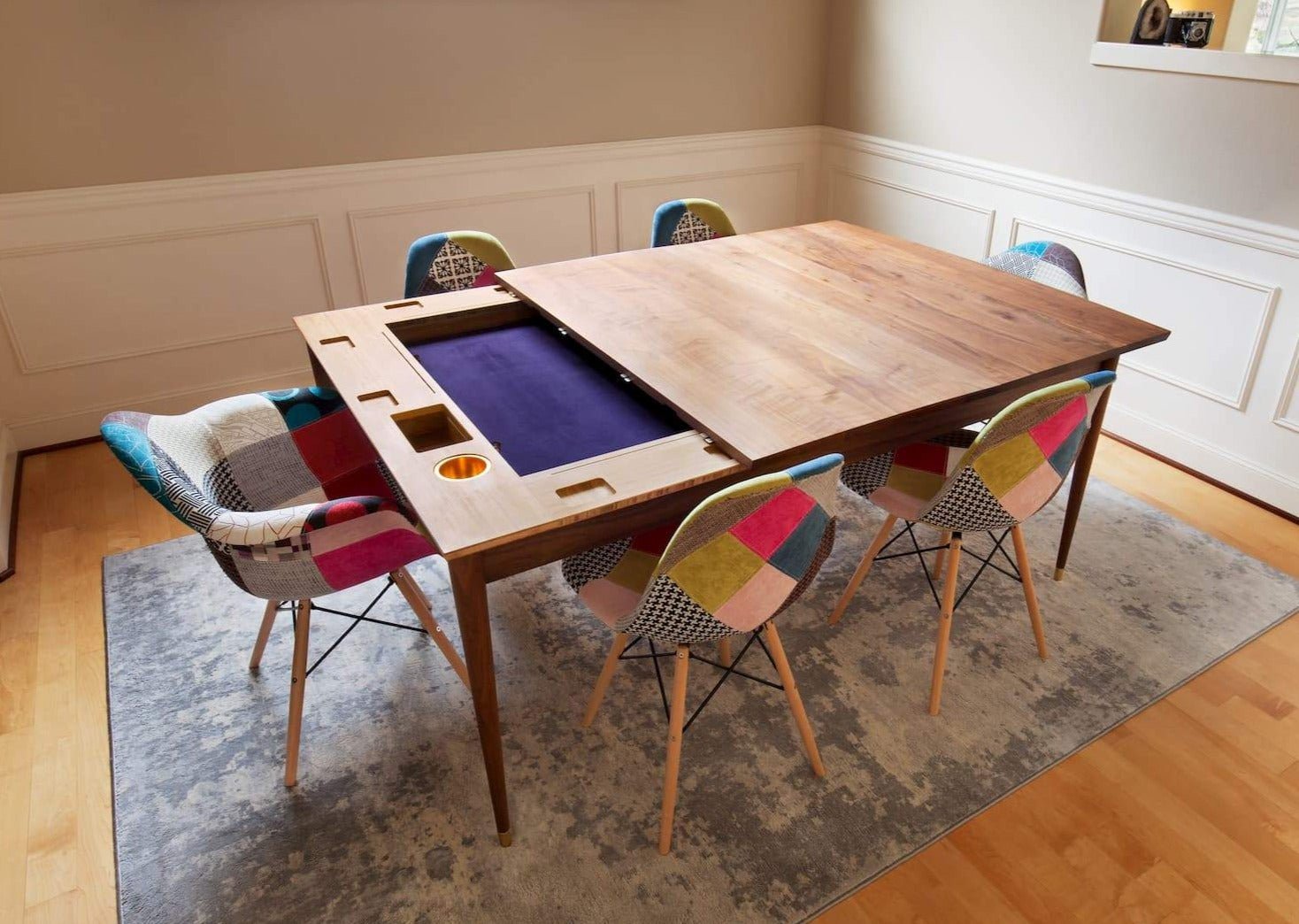
Well-built pieces like The Dresden board game dining table, which combines solid hardwood construction with a durable bamboo gaming surface, illustrate how material choices and thoughtful design contribute to furniture that can handle everyday use while maintaining long-term durability.
Myth 1: Wood Furniture Is Fragile
Wooden furniture scratches if you look at it wrong.
Tables splinter and legs wobble with age.
This myth survives because poorly built or thin-veneered furniture gets mistaken for the real deal. Solid hardwoods like oak, cherry, maple, and walnut have remarkable natural strength. These woods, when properly kiln-dried and assembled with traditional joinery such as:
-
Mortise and tenon
-
Dado
-
Modern dowel joinery
support steady use for generations.
Compare: a solid hardwood frame can last several lifetimes, while a table made primarily from brittle MDF or thin veneer may not stand up to routine family life or game nights.

Example:
A dining table made from solid oak, walnut, maple, or cherry can anchor everything from family dinners to hours of board gaming. No fear of legs buckling or tabletops caving under the weight of snacks, books, or elbows.
Myth 2: Wood Furniture Requires Constant Maintenance
Some buyers imagine endless polishing, oiling, and hovering over surfaces with a cleaning rag. The truth is that properly treated wood is incredibly easy to maintain.
Modern finishes like lacquer, durable varnish, or oil-prepped surfaces protect wood from the most common mishaps. Maintenance comes down to:
-
Wiping spills promptly (with a soft, slightly damp cloth)
-
Choosing gentle, non-abrasive cleaning products
-
Periodic dusting and, for oiled finishes, occasional conditioning
Compare raw wood (which does soak up stains and dries out quickly) to finished surfaces, and the difference is clear. In most homes, wood surfaces need no more work than metal, glass, or even modern plastics.
Example:
Want proof? Furniture used for meals or gatherings holds up beautifully as long as you follow simple guidelines, such as those in wood game table care and maintenance tips.
Myth 3: Solid Wood Furniture Is Too Expensive
Sticker shock is real, at least at first glance. Yet one of the most stubborn wood furniture myths ignores the difference between initial price and lifetime value.
Low-cost pieces made from particleboard or MDF, even when dressed in faux wood laminate, often get replaced every few years. Solid wood pieces, once bought, may never need replacing.
What affects price?
-
Wood species (oak, walnut, cherry, maple cost more than pine, but also last longer)
-
Handwork, such as dovetail joinery or custom carving
-
Complexity and size of the design
For many, quality wood furniture is a long-term investment, much like a quality tool or appliance.

Example:
Using a guide to buying wooden furniture, you’ll discover that many handcrafted designs balance value and craftsmanship.
Myth 4: Wood Furniture Easily Warps or Cracks
Stories of warped tabletops or split cabinet doors often come from poorly constructed items. Wood is a natural, organic material that shifts with humidity, but top manufacturers know exactly how to stabilize it.
-
Kiln drying ensures wood is ready for its new environment.
-
Proper grain orientation reduces stress and movement.
-
Joinery is designed to allow wood to expand and contract safely.
Well-built hardwoods stay stable across years of seasonal changes. The only pieces likely to warp or split quickly use thin slabs, glue-only construction, or wood that wasn’t dried sufficiently.
Examples of long-lasting function:
-
Multi-functional dining tables endure daily family meals, puzzles, and laptops.
-
Board game coffee tables and multipurpose pieces can handle sun and heat changes in living spaces for decades.
Myth 5: Wood Furniture Doesn’t Fit Modern Design
Plenty of people picture wood furniture as purely rustic or too heavy for streamlined spaces, another example of old myths outliving reality.
Quality wood pieces can be shaped and finished for any style, from minimalist Scandinavian to dramatic mid-century and clean-lined contemporary.
-
Light woods (birch, maple) bring an airy feel to modern rooms.
-
Dark options (walnut, mahogany) add richness and depth for contemporary or eclectic settings.
Far from being an outlier, wood supports and softens many design palettes, bringing visual warmth to interiors filled with glass, metal, or concrete.
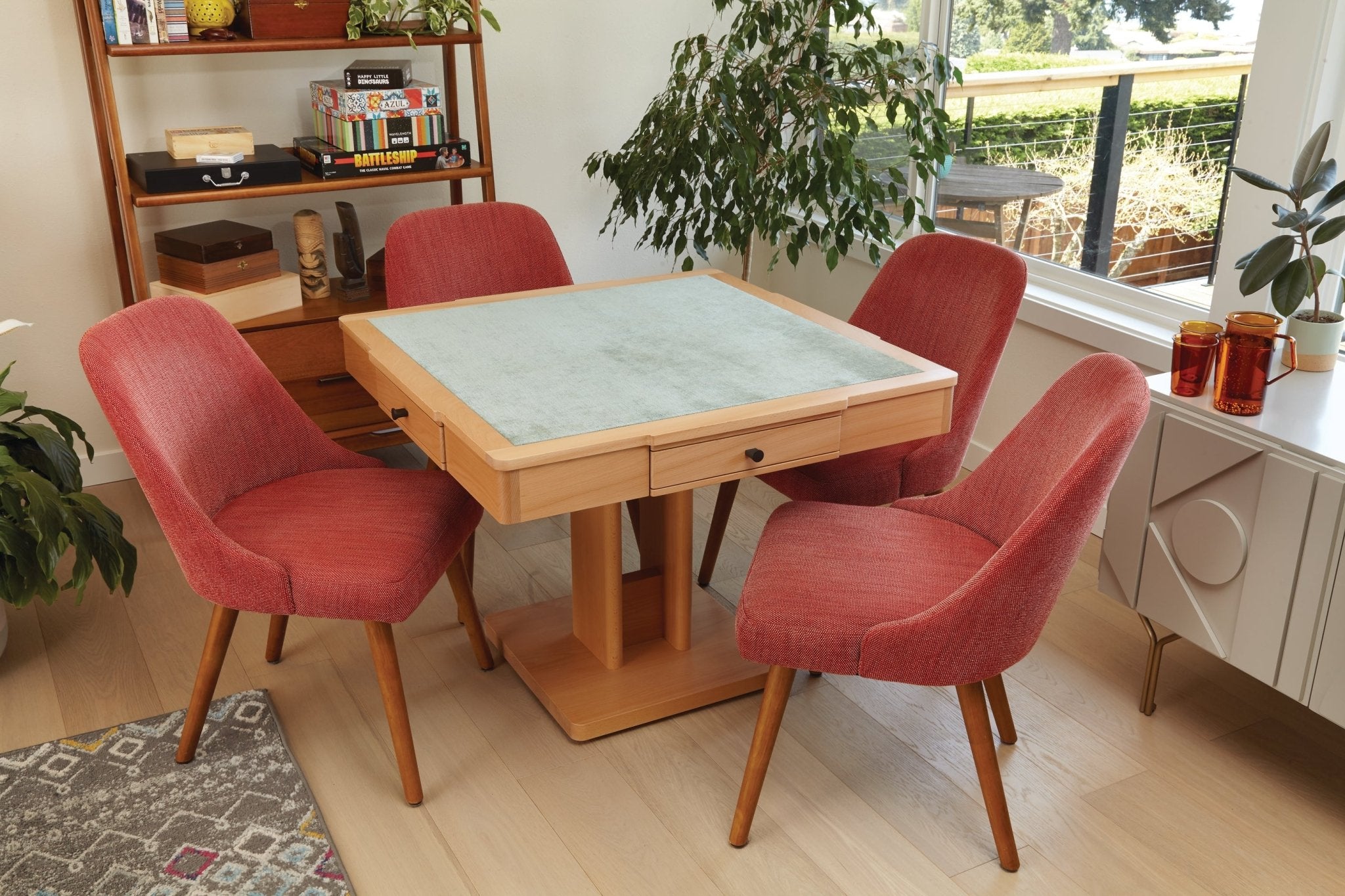
Innovative, multifunctional furniture for modern homes often features modular designs, convertible tables, built-in storage, and streamlined hardware, all crafted from solid woods to bridge classic beauty and modern needs.
Myth 6: Wood Furniture Is Not Eco Friendly
Worries about deforestation and waste have led to blanket assumptions about wood furniture’s environmental impact.
But the reality is that furniture made from responsibly sourced hardwoods, renewable materials like bamboo, and designed for longevity is remarkably eco-friendly compared to most petroleum-based alternatives.

Key sustainability factors include:
-
Sourcing from FSC-certified forests
-
Durable designs that won’t be replaced frequently
-
Organic materials used instead of plastic laminates or finishes
Bamboo and renewable hardwoods star in sustainable, eco-friendly furniture design, often lasting as long, if not longer, than so-called “green” recycled materials.
Myth 7: Wood Furniture Cannot Handle Daily Use
Another classic myth claims that wood furniture must be babied, displayed but not enjoyed.
Yet high-quality wood furniture is created for real families and daily life, with features specifically designed for:
-
Dining rooms where meals, work, and art projects happen side by side
-
Workspaces and studios
-
Family gatherings for holidays or long game sessions
Durability comes from:
-
Protective finishes (lacquer or durable oil)
-
Reinforced mortise and tenon or dowel joinery
-
Thick tabletops and legs that withstand impacts and years of movement
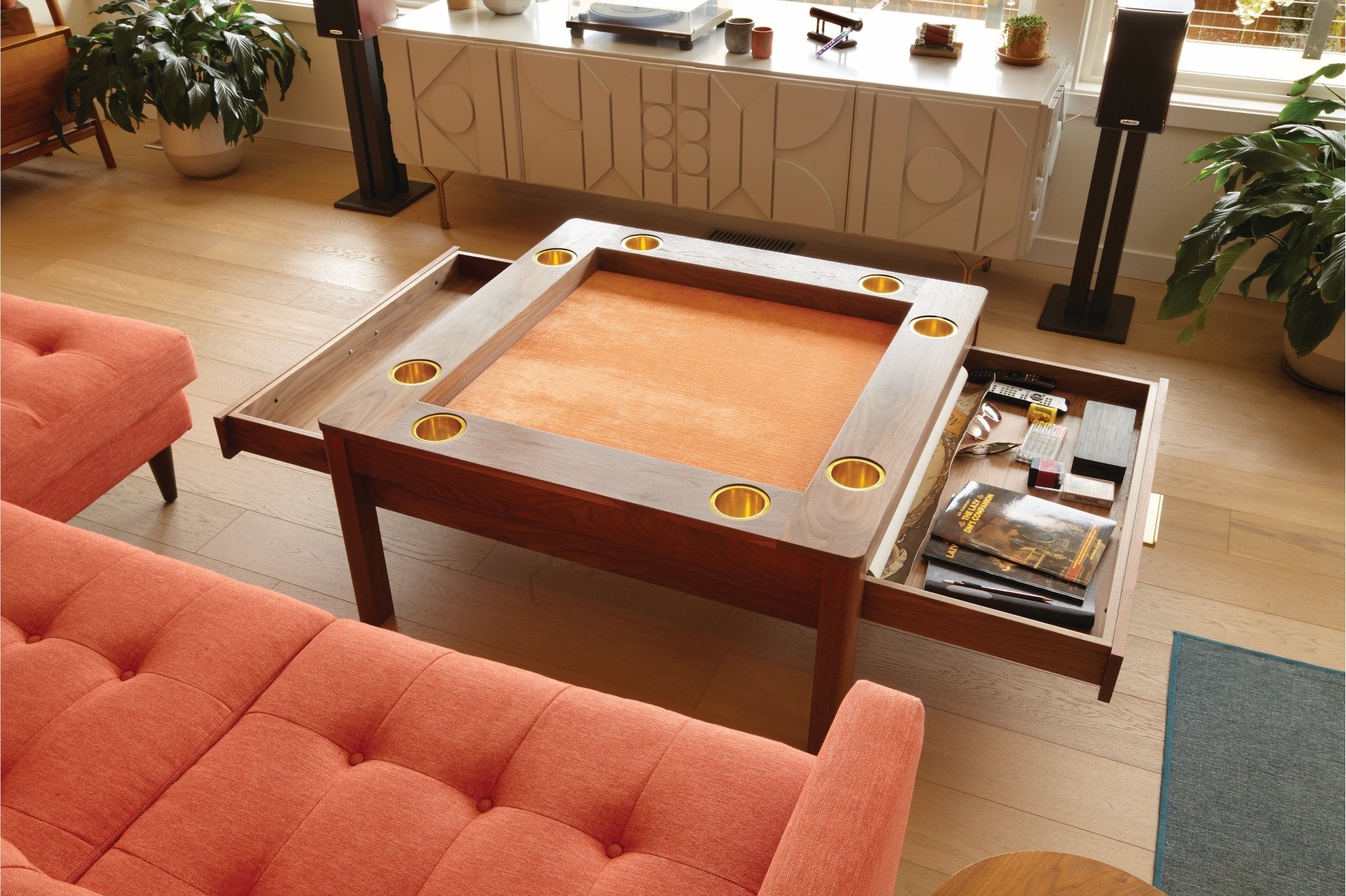
Think about multipurpose dining tables that smoothly transition from mealtime to tabletop gaming, or coffee tables with hidden compartments for accessories and kids’ gear. These are crafted for use, not just looks.
Myth 8: All Wood Furniture Is the Same
Walk through just one convertible game tables collection and you’ll see a huge range of construction styles. Not all wood furniture is built alike.
Main categories to know:
-
Solid hardwood: Thick, uniform boards from oak, maple, walnut, cherry, etc.
-
Veneered panels: Thin wood sheets glued over more affordable or lightweight cores.
-
Engineered wood: MDF, particleboard, or plywood, often used as a support structure.
Quality varies depending on:
-
Wood species and thickness
-
Joinery type and reinforcement
-
Surface finishing (lacquer, oil, varnish)
-
Burnishing, edge smoothing, and craftsmanship
Smart shopping tips:
-
Look for solid wood parts, especially in critical load-bearing areas, even when you want to mix different wood tones in your home.
-
Test joinery and inspect hardware for stability.
-
Read manufacturer material disclosures and details.
Knowing what goes into construction helps you see beyond marketing. Avoid confusion that keeps these common wood furniture myths alive.
What Actually Determines Wood Furniture Quality
Let’s get down to what truly separates fleeting objects from future heirlooms. By considering these key factors, you can confidently choose wood furniture that will serve your home for decades.
Material Selection
A great piece starts with the right material.
-
Hardwood species: Oak, walnut, maple, cherry, and even lighter woods like birch all offer unique looks and dependable strength. If you love to pair furniture with paint colors, each wood shade offers flexibility.
-
Renewable options: Bamboo brings sustainable benefits with surprising strength.
-
Construction: True structural wood resists sagging; decorative veneers may be fine for low-wear accents, but aren’t equivalent in durability.
Construction Methods
How a piece is put together tells you a lot.
-
Joinery: Dado, mortise and tenon, and dowel joints all increase durability.
-
Structural stability: Key for unique, statement-making dining tables that carry weight and family celebrations.
-
Craftsmanship: Even high-tech production benefits from skilled assembly and finishing.
Surface Protection
Good looks mean little without practical protection.
-
Finishes: Whether lacquer, oil, or varnish, the right finish shields wood from daily hazards.
-
Spill resistance: Most modern finishes resist coffee, wine, and even sticky fingerprints.
-
Scratch and stain durability: Hard-wearing coatings dramatically reduce visible marks.
Functional Design
More buyers need flexible pieces. The era of “single-use” furniture is fading.
-
Real-life use: Compact homes demand that dining tables double as gaming spots or family project zones.
Think about features such as: -
Integrated storage
-
Convertible functionality
-
Multi-use forms, such as multipurpose furniture for small spaces
And consider how a convertible dining table allows you to dine, game, and store essentials all in one spot.
Practical Tips for Caring for Wood Furniture
You don’t need a maintenance calendar to keep your wood furniture beautiful for years. Here’s how to make sure your investment pays off, in just a few easy steps.
1. Cleaning
-
Use soft, lint-free cloths for daily dusting.
-
Mild cleaning products protect surfaces; avoid ammonia, bleach, or harsh sprays (especially when caring for a well-chosen coffee table).
2. Protection
-
Coasters, placemats, and rugs are easy insurance, especially in high-use zones.
-
Shield surfaces from standing water and hot pans.
-
See more tips in wood game table care guides.
-
Prolonged moisture degrades any finish, so keep pieces in line with 2024’s natural-material furniture trends.
3. Environmental Conditions
-
Maintain indoor humidity between 35-55% for best results.
-
Keeping furniture away from heating vents or radiators helps preserve sustainably made pieces.
4. Routine Maintenance
-
Oiling or polishing (if needed, based on finish) takes just minutes every few months.
-
Inspect joints and hardware periodically for tightness or wear.
-
Overall, proper care is simple and low-stress. Wood furniture isn’t high-maintenance, and these tiny efforts protect both function and finish.
Conclusion
Wood furniture myths can cloud your judgment at the very moment you want to upgrade your home’s comfort, beauty, and function. When you step beyond the common misconceptions, like wood being fragile, fussy, or ill-suited to modern life, you open the door to pieces that work for you day in and day out, for generations.
Informed choices, a bit of research, and straightforward care go much further than old rumors or a long list of cleaning products. The next time you browse board game tables, board game shelves, or seek inspiration for how to mix and match furniture, remember: knowledge is the most valuable material in any home.
With fact in place of myth, your investment in real wood furniture will be smart, sustainable, and stylish for many years to come.