Board games invite people together for a shared experience, whether it’s a weekly ritual or a spontaneous evening with friends. At the center of that gathering is the gaming table. But the ongoing debate of board game tables vs DIY gaming tables isn’t just about looks or status; it’s a question of convenience, comfort, adaptability, and value.
If you’ve found yourself weighing the pros and cons between buying a purpose-built board game table or creating a solution at home, you’re definitely not alone. This comparison comes up constantly in hobby groups and online forums, and for good reason. Getting it right can affect every game session for years.
A dedicated gaming table might spark envy, but a clever DIY setup could suit your life just as well. The goal isn’t to crown an ultimate winner, but to help you discover which path matches the way you play, and the space you live in.
Let’s dive deep into features, trade-offs, and the experience of game night, so you can make an informed choice that fits your table and your life.
Board Game Tables vs DIY Gaming Tables
At first glance, both solutions put a surface between you and your favorite games. But their purpose and impact are very different.
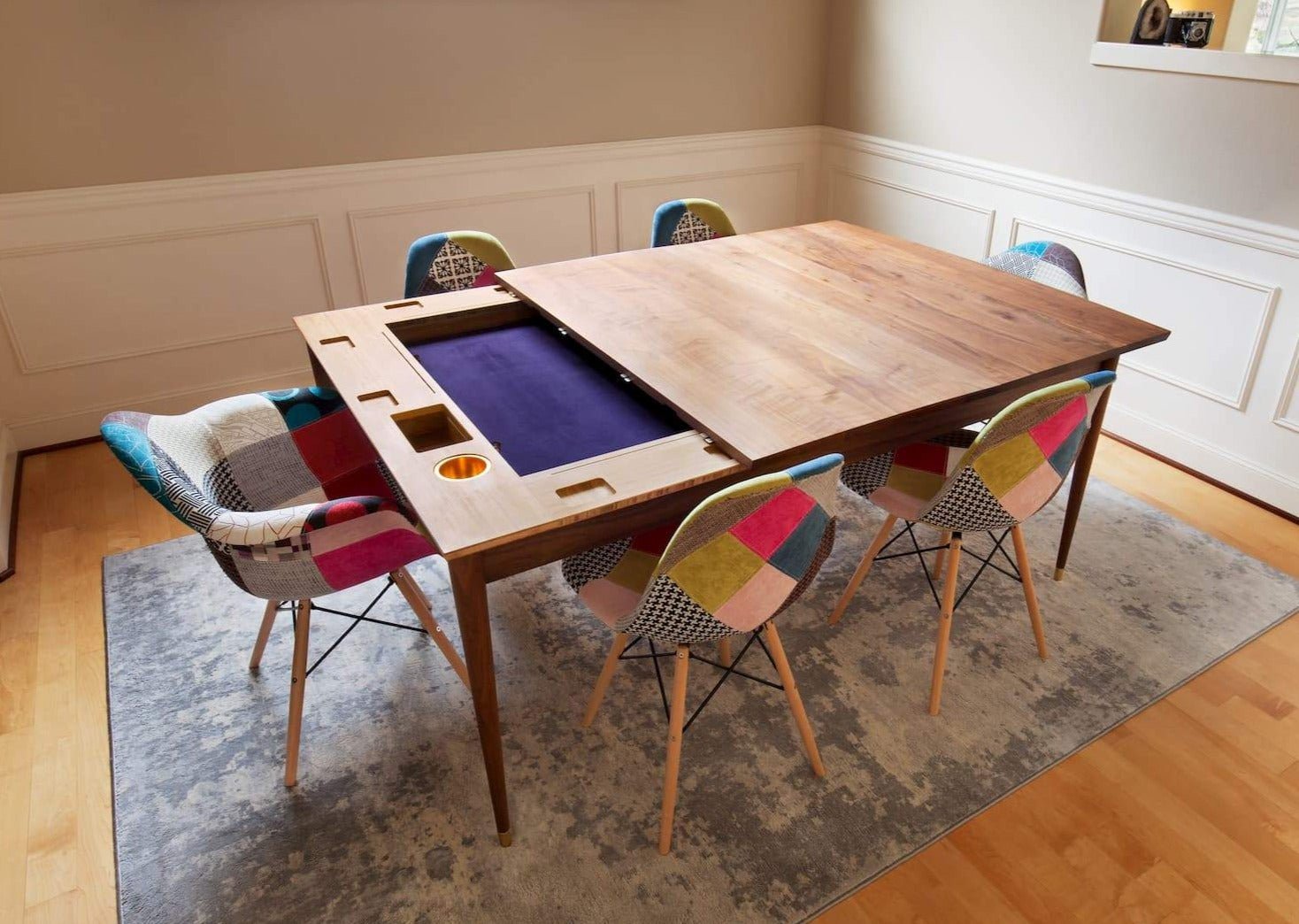
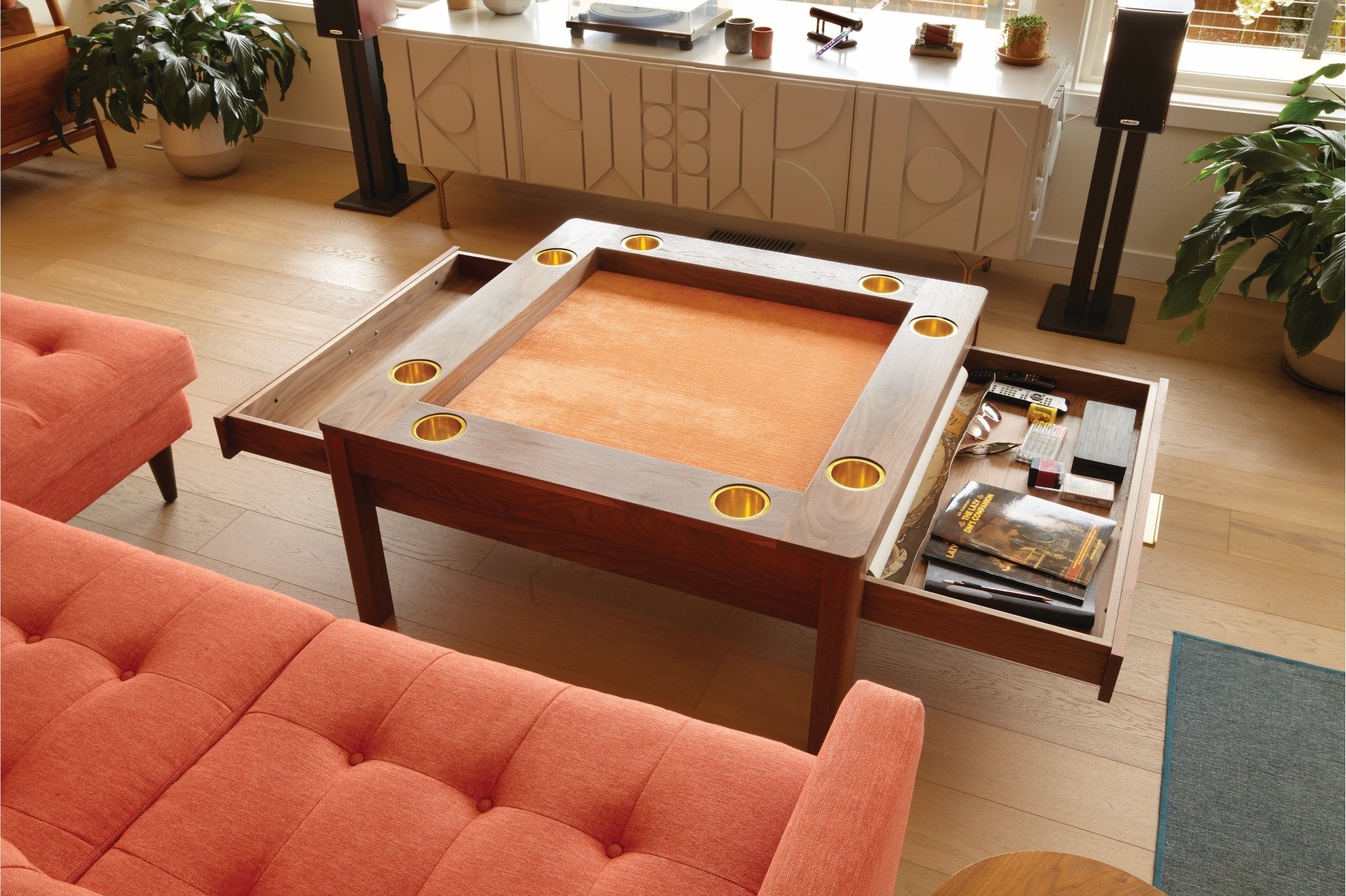
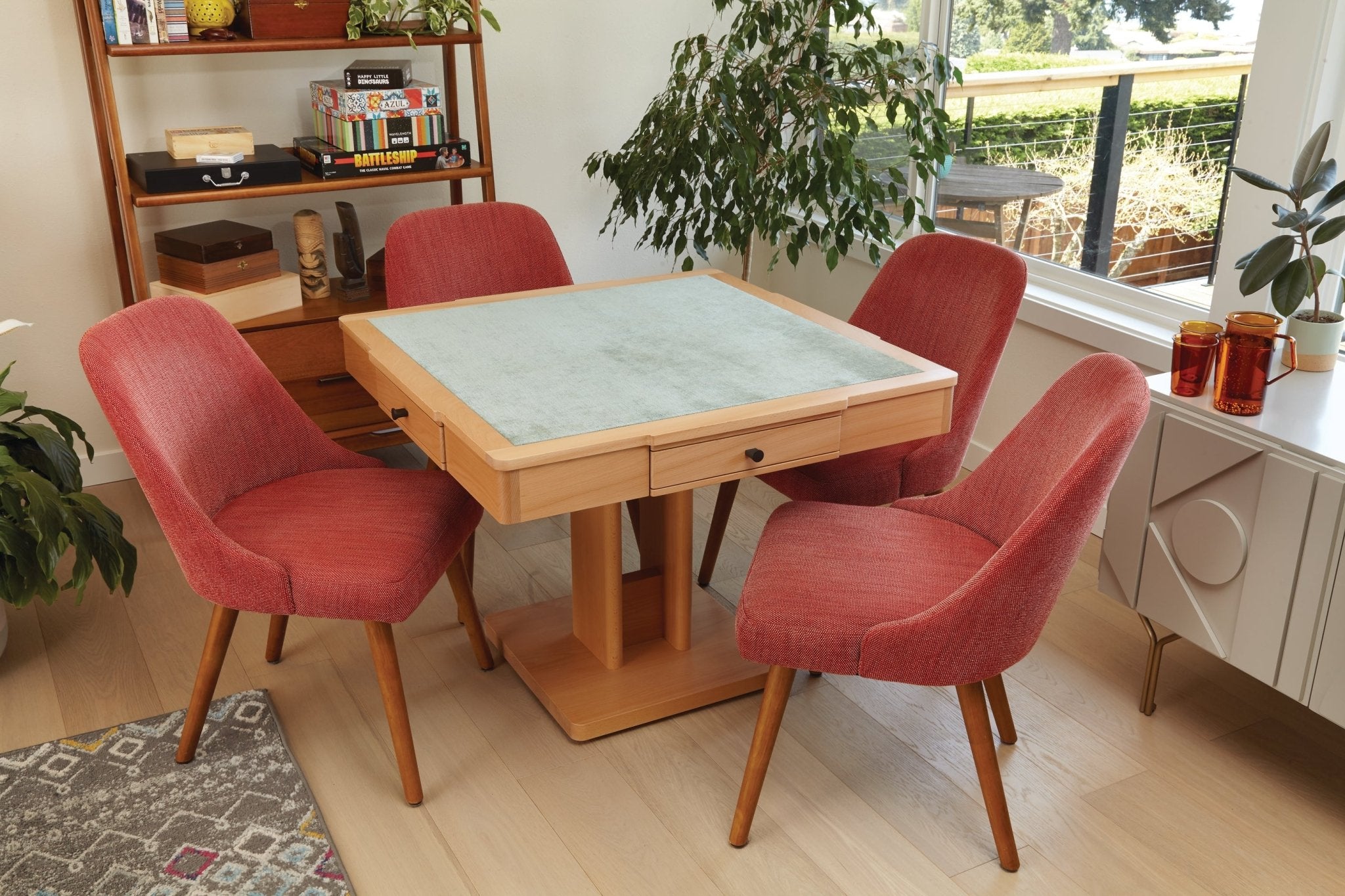
A purpose-built board game table is crafted from the ground up for play. These tables often feature custom elements like recessed playing surfaces, cup holders, dice bins, and support rails to keep everything, and everyone, comfortable for hours.
A DIY gaming table is more of an adaptation. Maybe it’s a dining table covered with felt, a kitchen table topped with a custom board, or a homemade build from online plans. These approaches range from quick fixes to elaborate woodworking projects.
The Trade-Offs in Plain View
When you compare the two, consider factors such as:
-
Upfront cost vs. time and effort
-
Lasting durability and comfort
-
How your space is used, now and in the future
It’s easy to see why this is a common decision point for so many board game enthusiasts. Most people want to find a balance between convenience, cost, and having a dedicated place for play.
No matter which side you lean toward, the key is fit and functionality in your own home, not impressing anyone else.
Why People Consider DIY Gaming Tables in the First Place
So, what sends someone down the rabbit hole of making their own gaming table? For many, it’s about practicality and resourcefulness in the face of limited resources.
Some are simply experimenting, adapting what’s already on hand. Others want a short-term fix and a bit of fun.
Let’s break it down by a couple of the top motivators.
Budget and Accessibility Factors
Cost sits at the top of most lists. Purpose-built gaming tables can carry a hefty price tag, especially with customization or premium materials. For many families or new hobbyists, that isn’t realistic.
-
Repurposing a dining room table or ordinary kitchen table costs nothing up front.
-
Even a coffee table in the living room can become the site for light games.
-
Younger players or those new to board games can dip a toe into the hobby without a big investment.
Space and Flexibility Constraints
Space is a luxury, especially if your dining room or living room does double duty. If you’re a renter or plan to move soon, a permanent fixture may not be practical.
-
A multipurpose dining room table can transform from family meal surface to full game zone in minutes.
-
For players who host game night only a few times a month, a flexible approach lets you pack everything away easily.
-
Short-term solutions also make sense if you’re still figuring out how big of a role gaming plays in your household.
Common DIY Gaming Table Approaches
DIY gaming tables aren’t a one-size-fits-all product. Instead, they span a spectrum from “cover the dining table and hope for the best” to elaborate custom builds.
Here are some of the most popular DIY paths board game lovers take to create their own gaming space.
Using an Ordinary or Dining Room Table
Most people start here: just clear the dining table, set up your board games, and play.
Pros:
-
No tools, no build time, instant playability
-
Easy to switch back to eating or other activities
-
Makes use of the full table surface for larger games
Cons:
-
Every session requires setup and teardown
-
Spills from food and drinks can ruin your games or components
-
Reaching across a wide, flat surface can be tiring and less immersive
For many casual gamers or those with limited space, this approach works fine, at least for a while.
Table Toppers and Game Toppers
Table toppers are portable, custom-fit boards that sit atop your existing dining or kitchen table. Popular brands take this concept and refine it with felt surfaces, edge rails, or even modular add-ons.
Table toppers address some key issues:
-
Protect your actual table from wear, spills, dents, and scratches
-
Provide a smoother, more game-friendly playing surface
-
Offer quick setup and breakdown after game night
But there are compromises, too:
-
Extra storage is needed for the topper when not in use
-
Edge stability varies; if the topper shifts, you may lose pieces or interrupt play
-
Over time, these accessories may become cumbersome as you want more from your gaming setup
If you’re interested, there’s a detailed comparison between game table toppers and gaming tables here.
Building a DIY Gaming Table From Plans
Some ambitious players opt to build their own gaming table using online plans. This route can be rewarding, giving you a sense of craftsmanship and a table that fits your exact needs.
Typical considerations:
-
Tools: You’ll need power tools, woodworking supplies, and plenty of patience
-
Materials: Choices include hardwood, plywood, felt, bamboo, and more
-
Surfaces: Decide between hard surfaces (easier cleaning but louder dice) or felt surfaces (softer feel and quieter rolls)
However, the risks are real. If your build isn’t robust, attachments like cup holders or a rail system may loosen with use. Mistakes in design or material can mean your creation won’t last more than a few years, especially with frequent gaming.
Where DIY Gaming Tables Start to Break Down Over Time
DIY gaming tables, toppers, and repurposed dining tables can deliver on day one. But after regular use, some drawbacks emerge, especially for players who host often or want a more polished look.
The gap between “good enough” and “built to last” often shows up earlier than most people expect.
Durability and Wear
-
Cup holders, dice bins, and rails can loosen with repeated use if not properly attached
-
Flat surfaces may scratch or warp, particularly if you roll dice directly on wood rather than a felt playing surface
-
Spills or moisture may seep into makeshift joints, undermining the structure over time
While DIY options save money initially, the ongoing repairs or eventual replacement can add up.
Comfort and Usability
-
Ordinary tables may not sit at the optimal height for long play sessions, forcing awkward stretches or cramped seating
-
Without a recessed playing area, reaching across to manage components can be tedious (especially in games like Arkham Horror or anything with a sprawling board)
-
Players may find themselves distracted, as the rest of the table’s regular duties (mail, food, laptops) clutter the play area
Storage and Game Protection
-
Games must be packed away after every use, cutting short progress in campaign-style games
-
Risk of misplacing or damaging components increases, as cards and boards are knocked about during transitions
-
Lack of a cover or dedicated storage means you’re never fully free from worry about drinks, pets, or cleanup
For more on maintaining and caring for your game surface, check out this guide to board game table maintenance.
What Separates a Dedicated Board Game Table From DIY Options
A dedicated board game table isn’t just a status symbol. It solves many of the little frustrations that accumulate with DIY solutions.
Purpose-built design means furniture that works for games first, dining second (and sometimes both at once).
Core Features of a Dedicated Board Game Table
-
Recessed playing surface: Keeps game boards, pieces, and dice safely in play, and reduces fatigue when reaching for components
-
Integrated cup holders and dice bins: Help avoid spills, organize dice rolls, and keep drinks off the main play area
-
Consistent play height and edge support: Ensures everyone is comfortable, and rails don’t wobble or detach mid-game
You’ll also see thoughtful touches like:
-
Modular leaves or covers that convert the entire table back to a normal dining surface
-
Aesthetically pleasing finishes that look beautiful even when games are tucked away
For an in-depth comparison of the best board game tables and their essential features, explore this comprehensive roundup.
Playing Surface Design and Control
The playing surface itself is a difference-maker between board game tables vs DIY gaming tables.
-
Recessed surfaces keep everything contained for complex games or mid-session pauses
-
Materials range from bamboo and felt to hard surface options, each offering unique tactile feedback and durability
-
The right surface protects game boards, cards, and miniatures from scratches, bending, and spills
A well-designed surface also streamlines organization, letting players focus on fun instead of cleanup.
How Dedicated Board Game Tables Change the Gaming Experience
Choosing a dedicated gaming table can dramatically lower friction before, during, and after a game session.
-
No more worry about clearing off dinner plates and resetting the table between activities
-
Easily pause longer campaigns, knowing that the play area is protected and out of the way
-
Built-in features like cup holders, token organizers, and modular leaves keep everything tidy and focused
Suddenly, the room feels like it was made for hosting unforgettable game nights.
Interested in the practical difference a specialized table can make? Read this side-by-side game room organization guide.
Supporting Longer and More Complex Games
Games like Arkham Horror or epic campaign titles require real estate and stamina.
A dedicated gaming table handles:
-
Large game boards, multiple components, and plenty of player space
-
Fatigue prevention, since rails provide forearm support and drinks are kept clear of action zones
-
The ability to save progress or leave games mid-play without disrupting everyday routines
Multi-Use Furniture in Real Homes
Most households require versatility. That’s why many contemporary game tables double as dining tables, making it easy to switch between activities without losing any of the polish or comfort.
-
Removable dining leaves fully cover the play area, letting you host dinner parties and then transition to playing games within minutes
-
Choosing a table that bridges both roles means fewer compromises for rooms that serve multiple functions
You’ll find a handy guide to choosing the right board game table size here.
DIY Gaming Tables vs Dedicated Tables Compared
When comparing board game tables vs DIY gaming tables, consider the following dimensions:
-
Functionality: DIY can be suited to quick games or short-term solutions. Dedicated tables are built for prolonged use and the demands of heavier games.
-
Durability: DIY tables may need repairs after heavy use or may not handle drink spills and game chaos. Purpose-built tables use upgraded materials and construction methods built to last.
-
Comfort: Ergonomic rails, consistent height, and surface options make a dedicated gaming table more comfortable, especially for marathon sessions.
-
Aesthetics: DIY projects can have charm, but furniture-level finishes and integrated design make a big difference for most people over time.
-
Long-term value: While DIY saves money up front, replacements and repairs chip away at the advantage. Dedicated options may even retain resale value.
For a personal perspective on whether board game tables are worth the investment, see this deep dive.
Cost vs Long-Term Value
-
DIY gaming table: Lower material cost, but factor in the price of tools, your time, and the odds of needing to replace or upgrade after a few years
-
Dedicated table: Treated as an investment in both functionality and furniture quality, often customizable for your living situation
With custom orders, premium craftsmanship, and quality finishes, you’ll notice the value difference with every game night—and even more so a few years down the road.
Where a Purpose-Built Table Like the Dresden Fits
The Dresden Board Game Dining Table stands as a leading example of what happens when design responds directly to the shortcomings of DIY setups.
It aims not only to solve the everyday frustrations of makeshift solutions but to raise the experience for regular game nights, dedicated hobbyists, and family gatherings.
Ideal Use Cases
-
Frequent hosts who love bringing people together for games in a dining room or game room
-
Shared spaces that must perform double duty, easily switching between meal time and play
-
Long-term homes where the furniture should endure the demands of both weekly dinners and campaign board gaming
If you’re curious about other table designs from the same maker, you can browse Firefly or Mimosa, tailored for specific needs and room sizes.
Materials and Craftsmanship
Quality starts with premium hardwoods and extends to your choice of finish and surface material.
-
The Dresden table offers a bamboo recessed playing surface for impressive durability (bamboo stands up well against dice, drinks, and even young kids’ enthusiasm)
-
Optional upholstery or felt lets you tailor the tactile feel for your favorite games
These choices directly impact how your table looks, feels, and wears for years, turning it from a simple surface into heirloom furniture built to last.
Integrated Features vs DIY Add-Ons
The Dresden anticipates every concern:
-
Built-in cup holders and dice bins keep drinks and rolls off your precious game boards
-
Removable dining leaves let you convert from dining room table to full gaming table in minutes
-
Accessory rails and modular add-ons give you options for expansion without having to rebuild or jury-rig solutions
When your table comes built for purpose, you’re enjoying thoughtful features from the start, not piecemeal add-ons or clever workarounds.
Choosing the Right Option Based on How You Play
Different setups serve different styles of play. Here’s where each fits best:
-
Casual players: DIY or a simple topper on your normal table is usually more than enough
-
Dedicated hobbyists: A dedicated gaming table is an upgrade in comfort, organization, and overall atmosphere
-
Families with young kids: A durable, easy-to-clean surface (like bamboo) protects both games and children’s snacks
-
Space-limited homes: Look for convertible tables to maximize usability in shared dining or living rooms
-
Renters: Prioritize portable toppers or adaptable builds in case of moving
You don’t need the fanciest furniture on the block, just a solution that lets you play more easily and often.
Questions Worth Asking Before You Decide
Not sure where you land? Try asking yourself:
-
How often do you actually play board games?
-
Does your table need to double as a dining room table or another kind of furniture?
-
How comfortable are you with setup and teardown before and after every session?
-
Do you enjoy building and maintaining furniture, or would you rather invest in a long-term, stress-free solution?
Give honest answers, and you’ll quickly see which path fits your routine, budget, and home.
Aligning Your Table Choice With Real Life
At the end of the day, board game tables vs DIY gaming tables is about choosing comfort, consistency, and fun that actually fits your life, not what looks good in a magazine.
Take time to evaluate:
-
Your available space and storage
-
How you use the room outside of gaming
-
What makes game night easier, not more stressful
A beautiful gaming table like the Dresden might be the ultimate luxury, but a clever DIY solution could be exactly what your kitchen or dining room needs right now.
Conclusion
A great board game night isn’t defined by the price tag of your table, but by how well the setup serves your needs. Whether you craft your own DIY gaming table or invest in a dedicated board game table, let your decision be shaped by how you play, share, and grow your space over time.
Prioritize what matters most: comfort, durability, flexibility, or aesthetics. The right table brings out the best in every roll, shuffle, and gathering at home.