Whether you’re just getting into this popular roleplaying game or it’s simply your first time hosting and playing dungeon master, you want to get it right for all your participants. This means you need to learn how to set up a DnD table correctly. First things first though - what do you need to play Dungeons and Dragons?
There is a lot to consider, and setting up your table in an organized, cohesive manner isn’t something you can just stumble into. It takes great care and planning to put on a fun, successful, and eventful evening of gaming.
Fortunately for you, you’ve come to the right place. We’re going to address one of the most common questions beginner DM’s ask - what do you need to play dungeons and dragons? We’ll also walk you through setting up the ultimate DnD gaming table that will impress your guests and make your spot the new go-to. Let’s dive in.
Why Does Your DnD Table Set Up Matter So Much?
If you’re offering to host the upcoming game night, the onus is on you to prepare a space that everyone feels welcome, comfortable, and excited to play. If you don’t take it seriously, your guests will notice. In turn, they won’t take it seriously, either.
But besides just getting everyone eager to play and impressing your guests, setting up your DnD table correctly with all the essentials will allow for an efficient, cohesive gaming experience. As the dungeon master (DM), you’re responsible for keeping the game moving. If you’ve watched this game in action, you have seen first hand just how many things you’ll need on the table - it can get a bit overwhelming. But, it doesn’t have to - with the right recessed table and the right know-how, you can create a seamless gaming experience that will have everyone thanking you at the end of the night and asking, “when can we come by for round 2?”.
What Do You Need To Play Dungeons and Dragons?
Now, before we can teach you how to set up a DnD table, we have to address the first question every aspiring dungeon master asks themselves. What do you need to play Dungeons and Dragons?
While some of the forums you’ve scoured or the streams you’ve watched may complicate things, there are really only a few things needed to get started. Here are the essentials:
- Dungeons & Dragons Rulebook & Players Guide
- Dungeon Master (DM) Screen
- Polyhedral Dice
- Writing Utensils
- Good Friends & Vivid Imagination!
As you progress and start to take the game more seriously and gain experience, you can add other cool stuff to your setup, such as:
- Battle maps
- Spell sheets
- Miniatures
- Other DnD knick-knacks
For the sake of this article, we’re just going to focus on the essentials. And nothing is more important than the rulebook:
Dungeons & Dragons Rulebook or Player's Guide
This is the most important supply you’ll need to gather before you set up your DnD table. Even if you’re a veteran DnD player, you’ll want this in your arsenal if you’re new to dungeon master. Remember - you’ll be called on to act as the ruler on all things that occur during the game. Unless you plan on memorizing the rulebook front to back, having this at your table for quick reference is a must.
Dungeon Master (DM) Screen
The dungeon master screen is important for keeping the game clean. It will prevent players from peeking at your notes and spoiling the game. It’s also important to keep your dice rolls and monster information secret from other players. While it isn’t technically a necessity, we highly recommend it.
Polyhedral Dice
The 20-sided dice is one of the things DnD is known for. Players around the table will take turns rolling dice to determine attacks, ability checks, and just about every other aspect of the game.
Writing Utensils
Taking notes throughout the game and writing down important happenings also falls under your role of responsibilities as dungeon master. So, you’ll need a pen and paper or a laptop to keep track of events. And as dungeon master, you’ll also be responsible with scribing a starting story - writing this down on paper in advance will help everything move smoothly once the game starts. You can reference the story, the call-to-action or reward, the villains, the location - etc.
Good Friends & Vivid Imagination!
At this point, all you’re missing is good friends and a vivid imagination. Maybe you already have a crew that you’ve discussed starting this adventure with. Or, maybe you still need to rally the troops. Whatever the case, get the gang together and prepare for a night of creative role playing action!
How To Set Up Your DnD Table: Organizing The Essentials
Now that you know what you need to play Dungeons and Dragons, and you’ve secured the supplies, it’s time to prepare for the session ahead. How should you go about setting up your DnD table and organizing your essentials? If you just have the essentials, it’s actually really easy - they aren’t going to take up much space on your table. Here are a few pieces of advice to help you keep things moving efficiently:
Put Up Your DM Screen In Front Of You
As DM, you should sit at the head of the table so you can easily see everything in front of you. You’ll put your DM screen up 1’ or so off the edge of the table to give you ample room for your essentials.
Keep Essential Notepads, Books, and Guides Within Arms Reach
Directly in front of you - and behind the DM screen - should be your scribe or quest you wrote down earlier. If you’re playing based on a pre-made module, that will be right in front of you instead. This will also be where you should keep maps, spell sheets, etc.
We like to have our players handbook and other guides (monster manuals, dungeon masters’ guide, etc.) to our left for easy access. This stuff isn’t going to be used quite as much as your scribe or module, but it will need to be referenced throughout the session.
To your right, you can place an additional notepad to jot down pertinent information that arises throughout. Maybe a new NPC arises, or perhaps a player provides a deeper back story into their character. This is good information to write down, and you don’t want to scramble around to write things down - be prepared with it directly to your right.
The Rest Of Your Supplies Can Sit Between The DM Screen & Your Books/Notes
The rest of your supplies - like your dice, your miniatures, and any sort of deck of cards you may use - can sit in the little bit of space between the DM screen and the notes, papers, sheets, and books we just discussed. For example - if you’re right handed, your dice sets can sit right in front of your notepad so you can easily reach forward to roll throughout the game.
You can place all your miniatures
What About The Rest Of The Table?
You’ll notice we’ve really only talked about what goes on behind the dungeon master screen. But what about the rest of your table? Is there anything else you need to add? Technically, not really.
But if you want to take things a bit more seriously and add a map, you can do so on a large grid sheet. If you’re going to do this, you’ll also add the other players’ characters to the grip map so they are ready to start as soon as they sit down. You will also want to provide a tray of dice for players to use.
My Current Table Isn’t Cutting It - What Should I Do?
As you can see, setting up your DnD table is pretty straightforward. But, as you add more and more battle maps, character sheets, spell sheets, miniatures, cards, etc. - things can quickly become cluttered. At this point, no amount of organization can help - you’ll need to upgrade your table to a larger station better suited for role playing games.
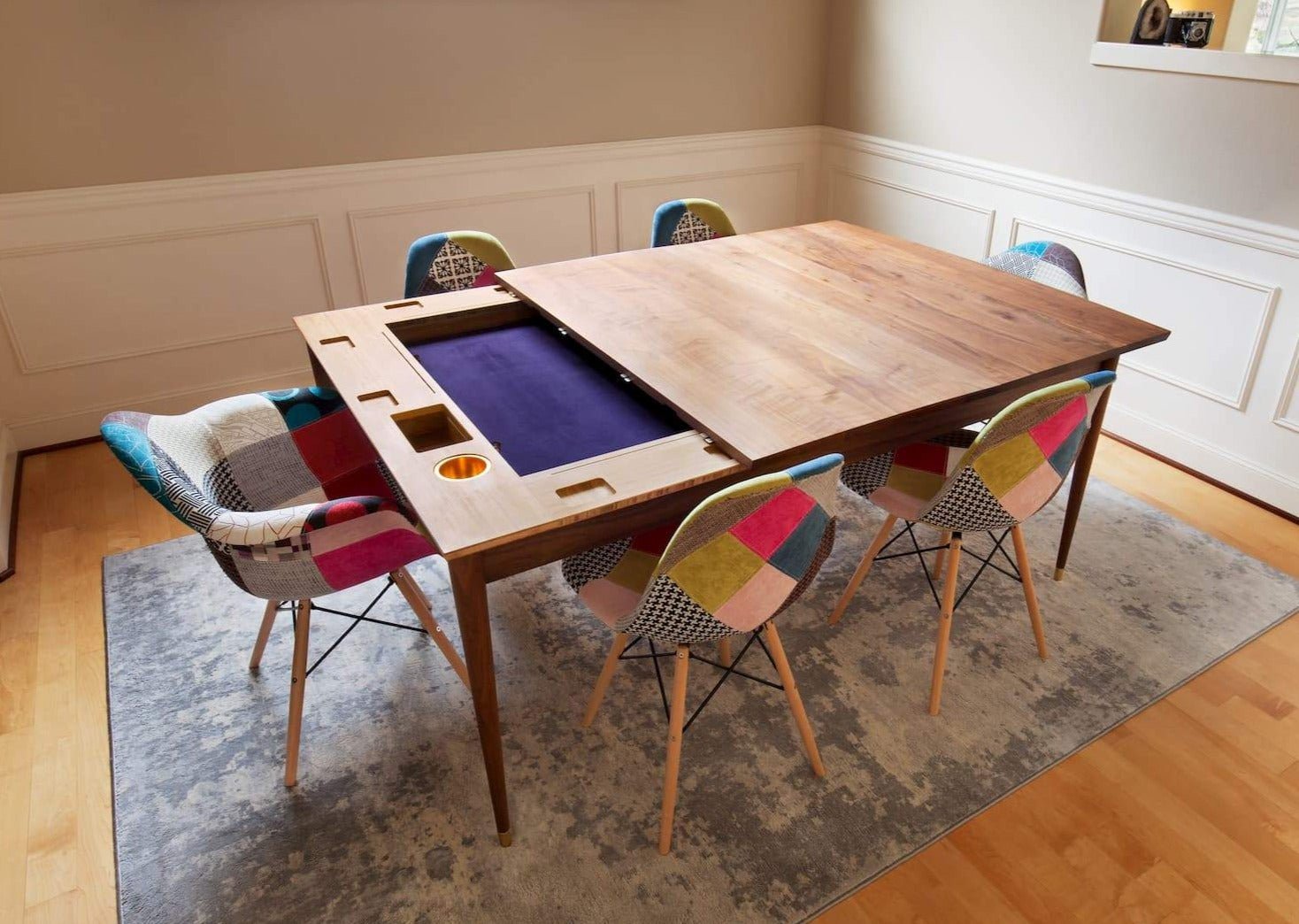
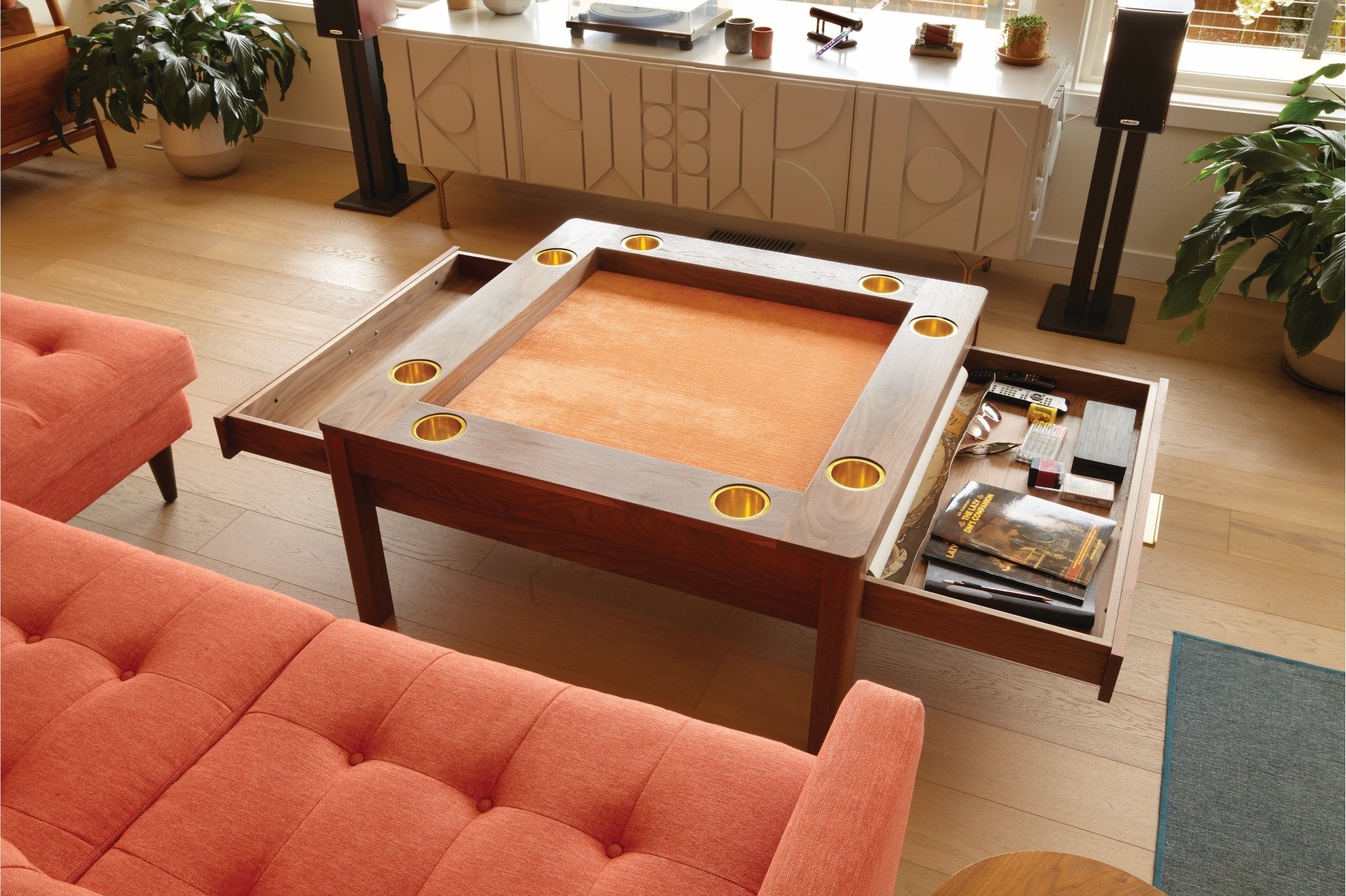
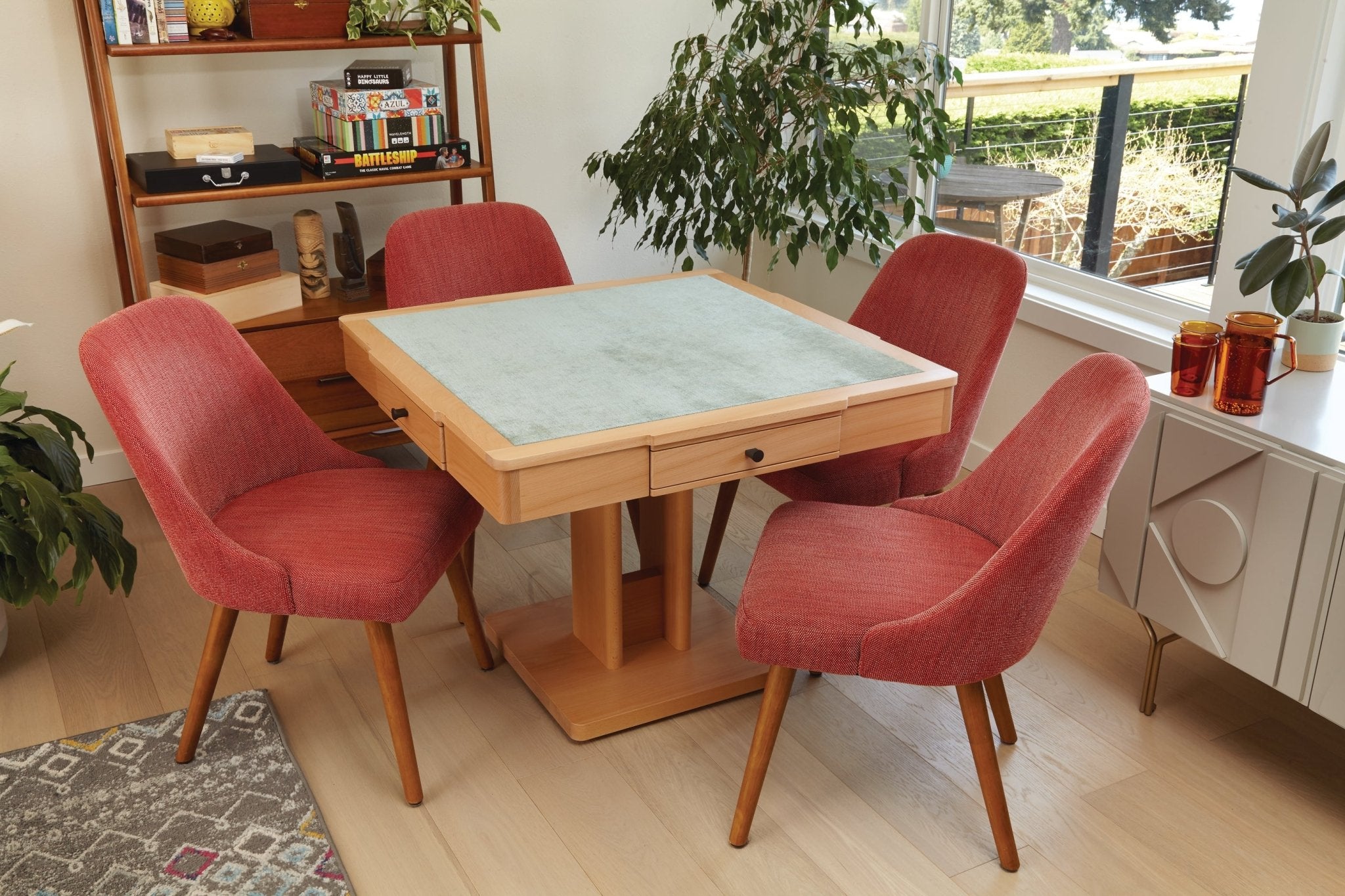
If you’re looking for a recommendation, the Dresden is a highly sought after board game table that also doubles as a dining room table. Why not kill two birds with one stone and save some money? This type of table will help you make the most of your gaming sessions, and is a must see for any serious table gamers out there. It features player stations around the trim, easy conversion from gaming to dining, and back again, and even a game vault lift to secure your supplies. All of this coupled with a stunning modern trim - what more could you ask for?
What Do You Need To Play Dungeons and Dragons? Wrapping Things Up
There you have it - everything you need to play dungeons and dragons, and how to set up your table for a fun night of organized, creative gaming. At this point, all that’s left to do is grab your supplies, get your group together, and start making memories around the table.